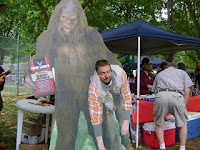
 Bill Cole
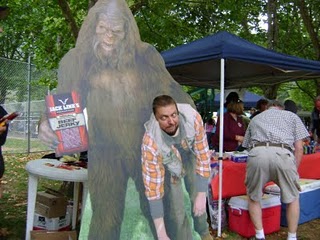
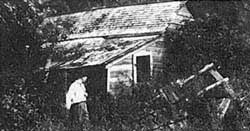
Bill Cole and his friend O. R. Edwards retold their strange encounter that occurred on a hunting trip in California's Siskiyou Mountains. They were walking along a trail when Edwards saw an apelike head. He tried to spot it again, but he couldn't spot it in time. “I heard the pad-pad-pad of running feet and the whump and grunt as their bodies came together. Dashing back to the end of the bush I saw a large manlike creature covered with brown hair. It was seven feet tall and it was carrying in its arms what seemed like a man. I could only see legs and shoes” (qtd. in Coleman, 192). And a man it was. In fact, it was his friend Cole. Edwards also said that he saw two more of the same type of creature. In the end, Coles said he wasn't harmed by the creature at all.
For some reason that I can't figure out, this encounter is a bit more believable than the previous two. If it was a fake, they did a great job of making up the story.
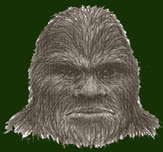 Bigfoot’s Image
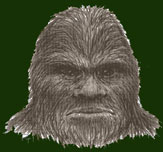
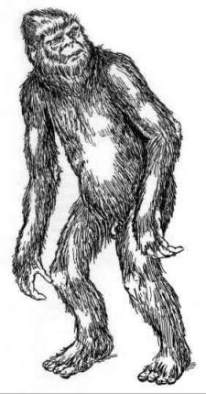
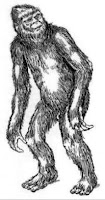
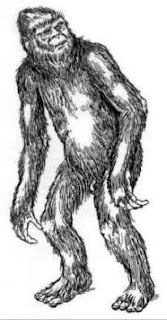
When people think of Bigfoot, what probably comes to their mind is an ape. Well. Some Native American tribes thought that Sasquatch was merely another tribe. Loren Coleman discovered a Sasquatch figurine on eBay, but it looked like a furry, human-like female. This figurine represents how some people thought Bigfoot looked like. “The 'Sasquatch as hairy Indian' closely mirrors the view in early newspaper stories of Sasquatch as 'wildmen' that were naked and hairy. These representations were an attempt to fit the notion of a supposedly human-looking but hairy creature into human cosmos” (Coleman 202).
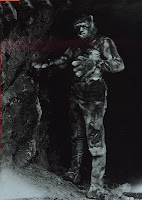 Bigfoot in the Movies
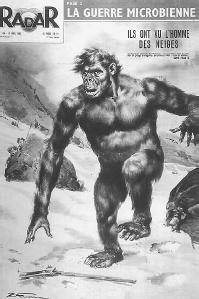
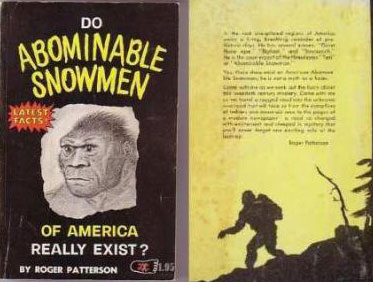
In the 1950s, the media was all over the parties' (climbing Mt. Everest) sightings of the Yeti, otherwise known as the Abominable Snowman. In 1954, a newspaper in London named
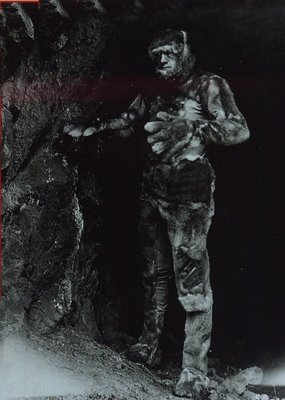
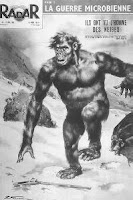
The Daily Mail went on an expedition to find the Yeti. This news was heard around the world and what followed was movies; lots of movies. The first major movie on the Abominable Snowman was called
The Snow Creature. “
The Snow Creature was followed by
Man Beast (1955),
Half-Human: The Story of the Abominable Snowman (1995 in Japan, 1957 in the USA), and Hammer Studios' classic
The Abominable Snowman of the Himalayas (1957)." (203)
I had no clue that there were so many movies about Bigfoot. I hope to watch one for my creative source, but I would prefer watching the newest one.
 Naming Bigfoot
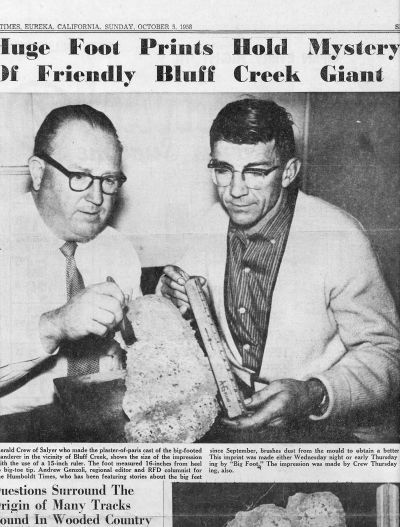
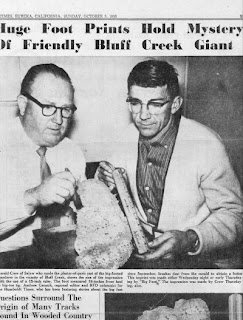
The name Bigfoot was given by Humboldt Times' editor Andrew Genzoli on October 2, 1958. This marked a “significant cultural event." Once this name was out, it was really beneficial in Bigfoot sightings. If a Sasquatch was sighted before the name was given, people might disregard it. But if it was sighted after its naming, authorities would recognize and look into it. “On the downside, the enormous popularity and humorous connotation of the term Bigfoot has been a tremendous drawback to funding research on these primates. Bigfoot tends to get the tabloid treatment whenever the topic arises in mainstream publication”(204).
I think the name “Bigfoot” suits this creature perfectly. I would never have thought of that name, but I like it.
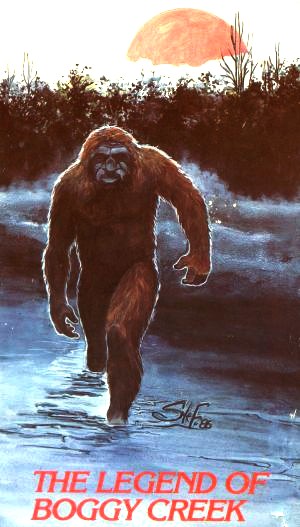
The Legend of Boggy Creek
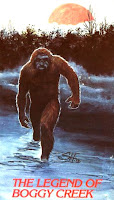
The Legend of Boggy Creek was a drive-in movie about Bigfoot that unexpectedly was a moneymaker. It was a movie based on the “Fouke Monster,” a hairy creature located in Fouke, Arkansas that had a habit of killing chickens and other livestock. The director decided to re-create the experiences neighbors had with it. During the movie, spooky lyrics by Earl E. Smith are recited.
“Here the sulfur river flows,
Rising when the storm cloud blows,
This is where the creature goes,
Lurking in the land he knows.
Perhaps, he wonders why,
Is there no other such as I?
To love, to touch before I die,
To listen to my lonely cry” (qtd. in Coleman 207).
I really want to watch a movie on Bigfoot because I've only seen documentaries. The poem at the end was really good and deep. It really made me think about what it is like to be in a Bigfoot's position.
 Harry and the Hendersons
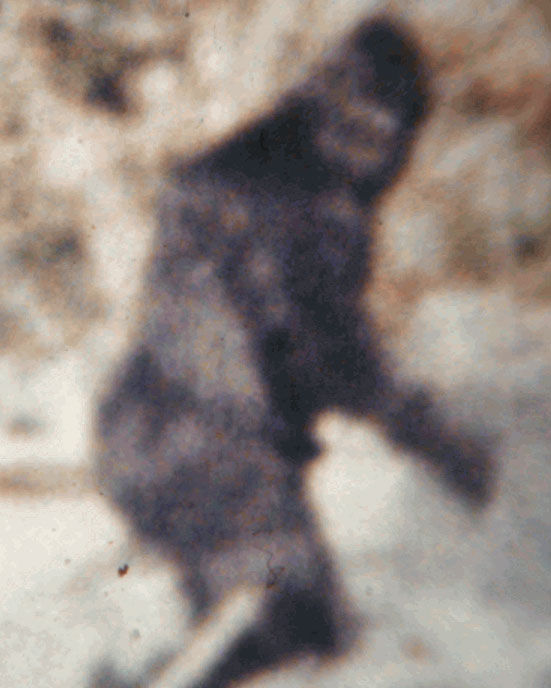
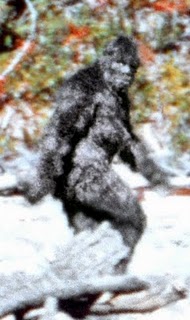
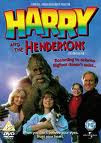
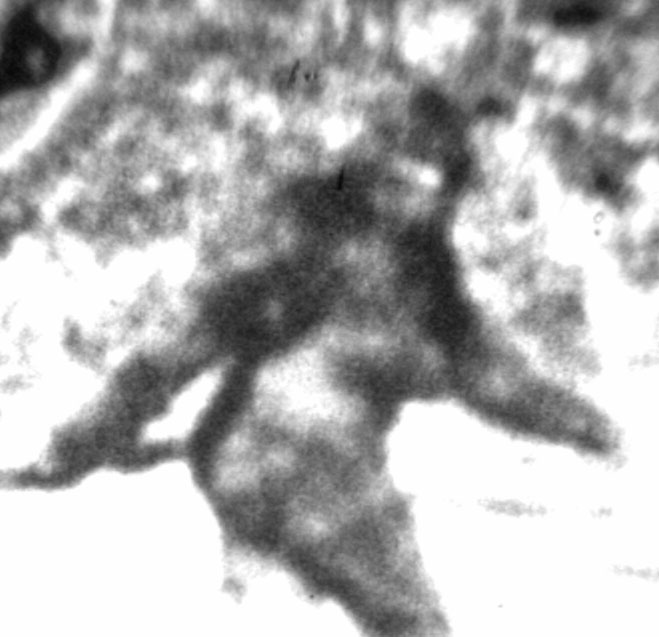
Harry and the Hendersons was the most popular Bigfoot movie of all time. It was released twenty years after the Patterson footage was shot, and it was a family movie. The movie starts when the Hendersons are heading home from a camping trip when they suddenly hit a large object on a road. They get out and discover a dead Bigfoot in front of them. The Hendersons strap him to the top of their car but when they arrive home they find out that he isn't dead after all. “He revives and the Hendersons adopt him with a predictable resulting laughs. They have to hide him from the authorities, the press, and a Bigfoot hunter” (212).
I might consider watching this movie for my creative source. It doesn't seem too old: the Patterson footage was shot in 1967 so twenty years after is 1987. Its not the newest title, but since it is the most popular, I might give it a try.
 Unsolved Mysteries
Geraldo Rivera became a reality star on April 27, 1986 for opening Al Capone's tomb: he found [nothing] in it. But he did “find” the highest-rated syndicated television program of all time. With his discovery came a show called
Unsolved Mysteries. It was about Earth's many mysteries that haven't been answered. This show also mentioned Bigfoot sightings and reports. “In the 1990s,
Unsolved Mysteries ran reports, for example, on the expeditions of Tom Slick, the Minnesota Iceman, and Peter Byrne's search for Bigfoot. Other series, from
Sightings to
Evening Magazine, carried regular reports on Bigfoot” (214).
I wonder if
Unsolved Mysteries is still airing on TV. I was a real fan of a show called
MonsterQuest and I might use an episode for my second creative source.
 The Tracker
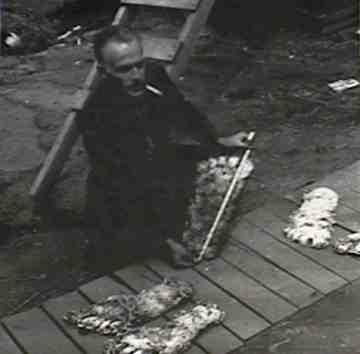
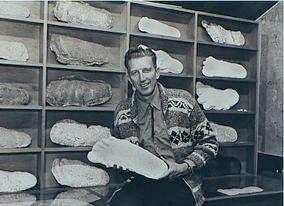
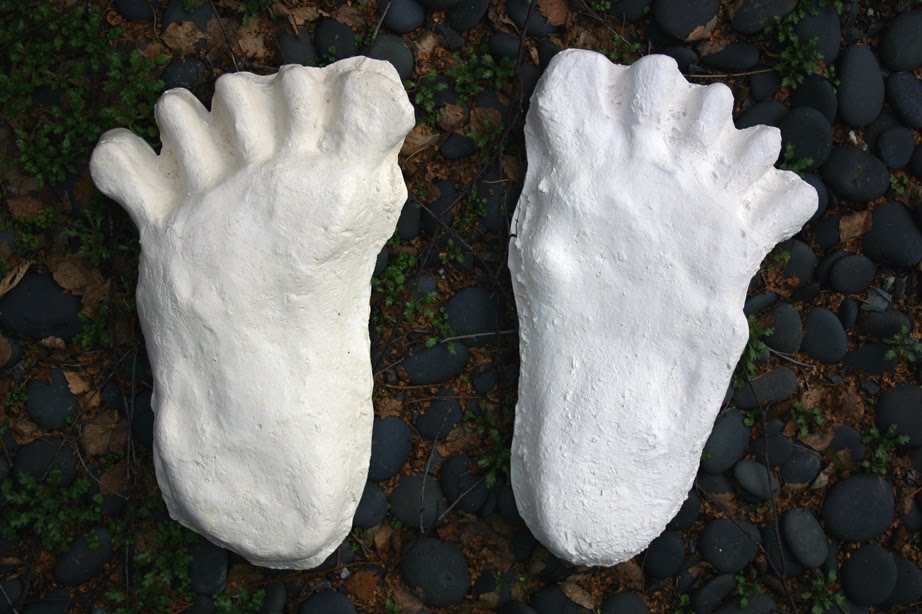
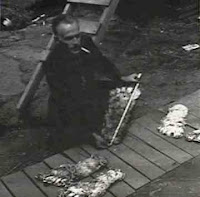
Robert Titmus could best be classified as a tracker of Bigfoot. He could locate tracks, classify individual Bigfoot by their prints, and he showed his collection of casts to any Bigfoot enthusiasts that were interested. He tracked a Sasquatch from Alaska to northern California, and took casts of the creature's footprints. Unfortunately, the casts were lost when his houseboat was burned. “Nine days after Roger Patterson and Bob Gimlin took their film of an alleged Bigfoot in 1967, Titmus was there, tracking and examining the distance the creature had reportedly covered during the encounter. He told of having seen Sasquatch two times and having tracked Sasquatch dozens of times during those years” (219). Titmus died at the age of seventy-eight on July 1, 1997.
It must be exciting being a tracker as opposed to someone who is just a researcher because trackers are always finding evidence and have sightings of Bigfoot.
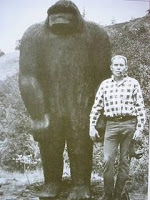 The Hunter
If someone would be considered the first hunter of Bigfoot it would be Rene Dahinden. Dahinden was born in Switzerland and within three years of his arrival in Canada, he was researching Sasquatch. He investigated in California, but he had little patience. When things weren't working out, he would search by himself. He went on many searching expeditions and interviewed witnesses of Bigfoot. “Dahinden was the first to show the Patterson-Gimlin film in the former Soviet Union, and he worked hard to see it that the film got the scientific attention he felt it deserved” (220). Rene died on April18, 2001.
I think it's amazing that within three months arrival in a foreign country that a man could get himself involved in something he hadn't heard about his whole life in Switzerland.
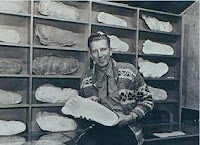 The Chroniclers
John Green was a newspaper publisher who started publishing Bigfoot articles in 1955. He interviewed William Roe about an incident that occurred in 1955. John Green also interviewed Albert Osman about how he got kidnapped in 1924. Green was also at Bluff Creek just days after footprints were found. When he got there, a man told him that the whole site needed to be plowed.
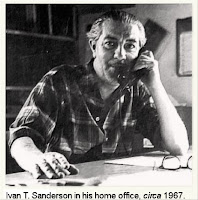
The man told Green to go up and look for himself.
“His wife opened her door, and to their mutual surprise she found a footprint right there. In freshly graded dirt” (221).
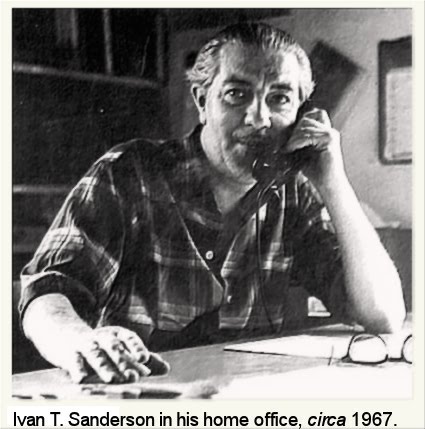
Other famous Bigfoot “chroniclers” included Ivan T. Sanderson, Betty Allen, and Marian T. Place.
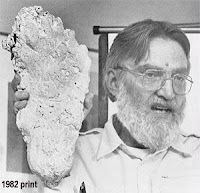 The Doctor
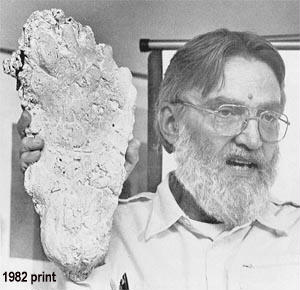
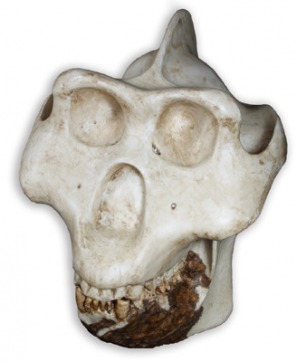
Grover S. Krantz wasn't a real doctor; he was more of a professor. He studied at three universities (Utah, California, and Minnesota) and started his Bigfoot researching 1963. In 1967, he fully believed in the Patterson Gimlin footage. “He found the Bigfoot's loping gait 'consistent with a five-hundred-pound biped'. He said, 'I've attempted to imitate it. And I really can't do it worth a damn”(qtd. in Coleman 226). He believed that Gigantopithecus, the giant ape, is the source for modern day sightings. He also believed that a Bigfoot should be killed in order to prove that it exists. Krantz died on February 14, 2002.
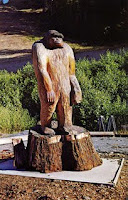 Bigfoot Statue
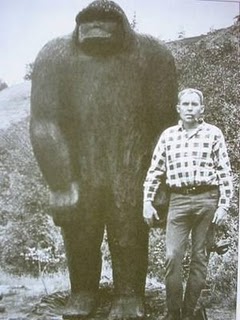
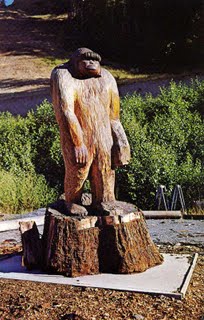
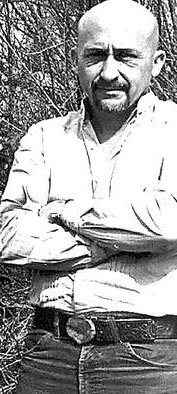
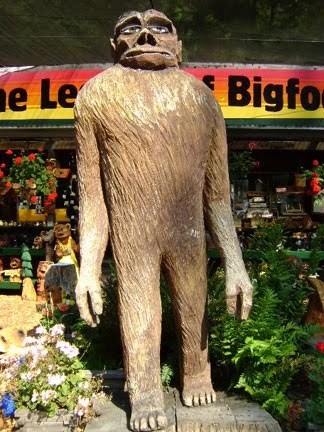
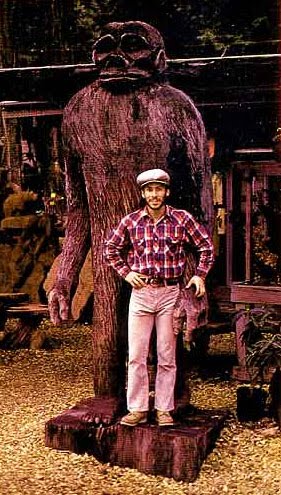
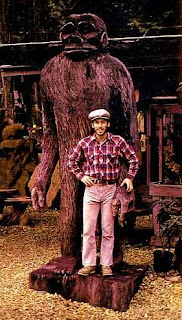
A life-size Bigfoot statue was made and put on display in the late 1960s. This statue was located in Willow Creek, California. During the late 1970s, it was a “must” to show this statue in any documentary on Bigfoot. Jim McClarin sculpted this statue and even though he hasn't been searching since 1974, his name keeps getting mentioned in books. He was friends with Loren Coleman, and Loren asked him about his statue. “I was full of confidence, though, and wanted to produce something that resembled what people were reporting seeing” (qtd. in Coleman 229).
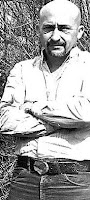 American Yeti Investigators
In the 1970s Robert W. Morgan and his friend William Ernst began American Yeti Investigators where they funded searches for Florida's Skunk Ape. In 1969, they contacted the county commissioner of Skamania County, Washington to pass an ordinance in order for Bigfoot to be protected. “Violators of this ordinance would be fined $10,000 for shooting a Bigfoot”(230). In 1974, Morgan and Ernst founded the American Anthropological Research Foundation which sponsored four searches and many field studies.
Their views on Bigfoot not being shot is very morally correct; however, if one was shot there would be undeniable proof that Bigfoot exists.
American Yeti Investigators, Cont.
Morgan and Ernst's efforts in their search for Bigfoot resulted in
The Search for Bigfoot, a documentary film. They also appeared on a Smithsonian series called
Monsters: Myth or Mystery. Both Morgan and Ernst weren't heard of in Bigfoot news until 1996 when they record
Bigfoot: The Ultimate Adventure. “The audiotape claimed that it could 'teach you how to come face-to-face with Bigfoot'” (230). Two years after releasing the audiotape, Morgan's partner Ernst died mysteriously in a Florida swimming pool. Morgan's theory of not killing Bigfoot had sparked ongoing support.
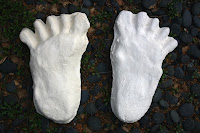 Hominologists
An “emphasis” of Bigfoot in science was seen in the late 1970s and early 1980s. Many cryptoozoological researchers including Grover Krantz (the Doctor) founded the International Society of Cryptozoology. They published books, but they weren't very active in actually trying to find Bigfoot. But in 1982, Grover Krantz found some evidence in Walla Walla, Washington. “Wes Sumerlin, Paul Freeman, and Vance Orchard showed Krantz prints in which Krantz found unique markings, dermal ridges, he compared to fingerprints” (231).
 More Groups
In the mid 1990s, Bigfoot groups had migrated to the internet. Henry Franzoni decided to create a group on the internet called the Internet Virtual Bigfoot Conference (IVBC). There are thirty to forty groups on the internet today and the biggest one is the Bigfoot Field Researchers Organization, BFRO. “Founded in 1995 by Matt Moneymaker, a thirty-six-year-old, Orange County, California, information technology consultant and lifelong Sasquatch enthusiast, the Bigfoot Field Researchers organization claims thirty top 'curators' (experienced Bigfooters who interview witnesses, examine fresh evidence and debate finer points of Sasquatch theory) and more than three hundred 'investigators' (junior associates who help with the fieldwork)”(qtd. in Coleman 233).
I don't understand why there are so many groups on Bigfoot. There should be just one called The Bigfoot Group and it would be more effective having all the top researchers in one group.
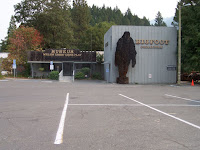 Bigfooters Everywhere
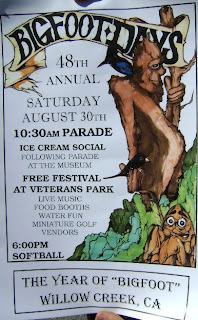
The Bigfoot Museum opened in May 2000 in a very unlikely place. It didn't open in a major city like Los Angeles or Chicago, instead it opened in Willow Creek-China Flats, California. Other Bigfoot related experiences had popped up: Bigfoot Safari in Vancouver and Bigfoot Outfitters Inc. In July 2000, a five day Sasquatch tracking camp was held for youths by the Audubon Society of Portland, Oregon. The goal was to teach the kids wilderness skills and have Bigfoot as somewhat of a decoy. “But then the most important lesson that the Audubon Society has to teach these teens is not how to pour the plaster of paris or to make certain the lens cap is off the video cam when the Bigfoot comes into view. The most significant lesson that comes out of Bigfoot hunting is learning how to wait. Being patient” (235).
I wonder what it would be like going on a camping trip like that. I hate hiking but a “decoy” such as Bigfoot could definitely make young ones want to go outdoors.
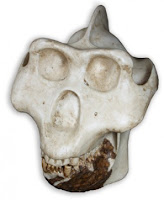 Dead Bigfoot
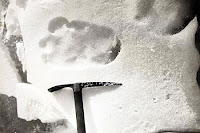
One question that is asked a lot is, that if Bigfoot exists, why haven't its bones been found yet? Grover Krantz explained the answer. “Well, if bears are real, then why don't we find their bones?....Over twenty years of inquiry my grand total of naturally dead bear bones found is zero” (qtd. in Coleman 236)! Think of it this way; there is an estimated one Bigfoot for every one hundred bears, so if there aren't any bear bones found, what is the possibility of a Sasquatch's bones being found? There is, however, physical proof of Bigfoot's existence: footprints.
I think it is interesting that no one that Grover Krantz has talked to has found naturally dead bear bones. That's just another hurdle in proving Bigfoot real.
Bigfoot: Human or Ape?
An argument has arisen in the last few years: is Bigfoot human or ape? In 1985, John Napier, primatologist, suggested that apes and humans actually weren't closely related. Later in time, it was proven that humans are somewhat related to apes. People claimed that humans were naked chimpanzees. So what is Bigfoot? “They are apes, as surely as we are. Whether Bigfoot ultimately turns out to be more of a hominid (humanlike) than a hominoid (ape manlike) being remains to be seen, based upon a closer physical examination of the animal”(244).
 Killing Bigfoot
 To kill or not to kill, that is the question. Many Bigfooters of the world have asked this question and many have different opinions on it. Grover Krantz and John Green think that it should be killed, and Dmitri Bayanov and George Haas disagree. But killing a Sasquatch may not even be necessary. “Today's arguments make such arguments a thing of the past, however. In the twenty-first century, Bigfoot will hopefully be captured, studied, given some rights, and released. Biological sampling, videotaping, electronic tracking will accomplish what killing the animal once did” (245).
Usually, I hate seeing animals die. But I feel that it is necessary because they will die eventually so might as well kill it for a good cause.
 Best Place to See Bigfoot
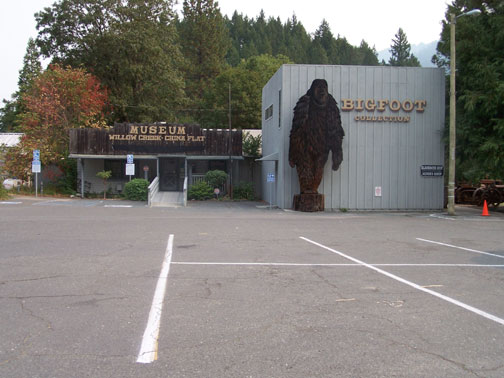
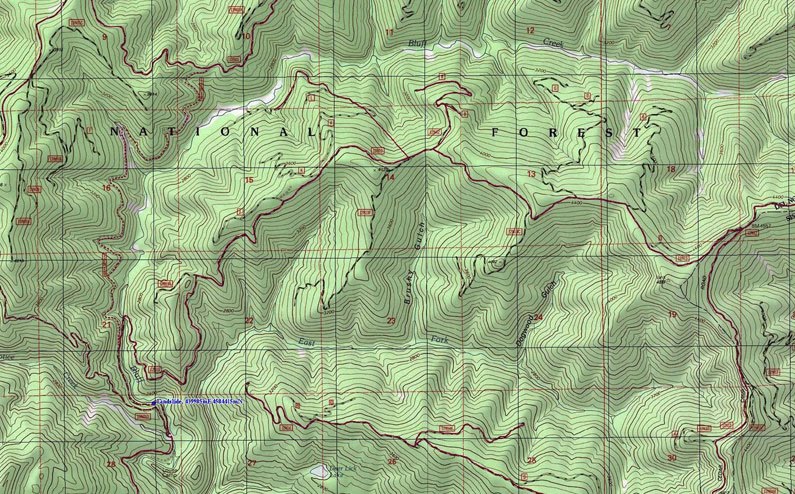
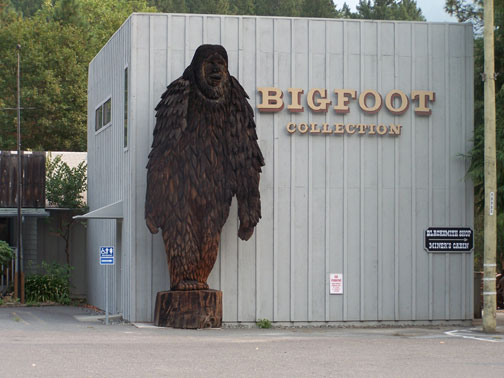
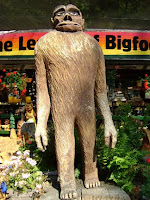
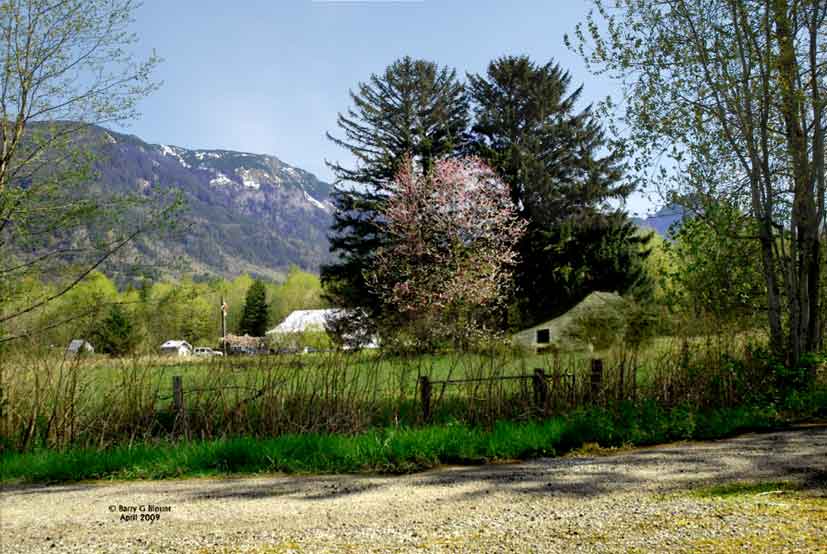
The best place to see Bigfoot is Bluff Creek, California. It is referred to as the Mecca of Bigfoot because that‟s where the first Bigfoot prints were found. The Patterson-Gimilin footage was also shot there. The Willow Creek-China Flat Museum is also located near Bluff Creek. A twenty-three foot statue “guards” the museum and nearby is the eight-foot-tall, life-size statue carved by Jim McClarin. There is a third statue located near yet another museum called The Legend of Bigfoot Museum. “It houses Bob Titmuss entire Bigfoot cast collection and other great Bigfoot exhibits”(246).
I wonder how far away Bluff Creek is. If it is close enough to Los Angeles, I may consider visiting the museum. I wonder if it could be an observation to observe the exhibits because I am clueless about what I will observe.
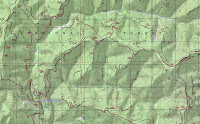 Second and Sixth Best Place to See Bigfoot
The second best place to see Bigfoot is Fouke, Arkansas. Fouke has a rich history of Bigfoot encounters, which resulted in the Boggy Creek movie series. “Shop for Bigfoot souvenirs at the local Monster Mart. An annual Boggy Creek Festival is held every April, complete with books to buy, casts to view, Bigfooters to meet” (247). The sixth best place to see Bigfoot is Harrison River area, Klemetu, and nearby Islands off British Columbia. There is also an International Sasquatch Symposium that is held every year and there are Sasquatch totem poles.
Note: The reason I will be skipping around with the order of “The Best Places” is because some didn't have a substantial amount of info to write a note card about them.
Third Best Place to See Bigfoot
The third best place to see a Sasquatch is in a vast region of Washington consisting of Ape Canyon, Ape Caves, Mt. Saint Helens, and Skamania County. An ape attack occurred in Ape Canyon and Ape Caves is a gateway into Gifford Pinchot National Forest; the location of the famous Skookum Cast. In Skamania County, there is a law that says you can't kill Bigfoot. “The annual Carson Bigfoot Daze is usually held in August with Bigfoot lectures, statues, exhibits, and family fun. To the east, along the Spirit Lake Highway, in Kid Valley, there's a Bigfoot statue near a tourist shop. Drive farther north, and find a Bigfoot Crossing sign on the Mt. Baker Highway” (247).
Multiple Sasquatch attacked people who were camping in Ape Canyon, so I can see why this is the third best place to see a Bigfoot in North America.
 Fourth Best Place to See Bigfoot
Oregon Caves National Monument, Grants Pass, Oregon is the fourth best place to encounter a Bigfoot because it has a good history of sightings. In 1922, a local service group was created named Oregon Ca. They later constructed a humongous “prehistoric caveman” at the interstate 5 exit to Grants Pass. “Since the Bigfoot sighting in 200 at Oregon Caves, local shops have been selling Bigfoot memorabilia. Hillsboro, Oregon holds an annual International Bigfoot Society Conference” (247).
I wonder what the “prehistoric caveman” looked like. Did it look like Bigfoot? Probably so, because it wouldn‟t have been mentioned unless it did look like Bigfoot.
[Ed. Note: the Caveman statue looks like a cave man, with club and fur clothes draped upon its slouching form.]
The 17th and 18th Best Places to See Bigfoot
The seventeenth best place to see Bigfoot is in Lake Louise-Jasper, Alberta. The earliest sightings of Bigfoot date back the 1800s. There are more reports every year. There is a life-size exhibit of Bigfoot in the Natural History Museum of Clock Tower Village in Bariff. The eighteenth best place to see Bigfoot is in Antelope Valley. Many unusual sightings occur in Antelope Valley: however, it doesn't get much publicity even though it is near Los Angeles. “South of the city, in Orange County, there is a little Bigfoot museum(with Gigantopithicus skull replica, Bigfoot casts, Bigfoot books) at Knott‟s Berry Farm, near their Bigfoot Rapids water-rafting ride”(249).
I've been to Knott's Berry Farm and I have been on Bigfoot Rapids, but I was never aware of a museum being located there. I might check it out next time I'm there.
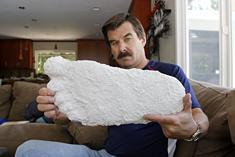 BUSINESS LETTER RESPONSE #1: North America Bigfoot Search [NABS]
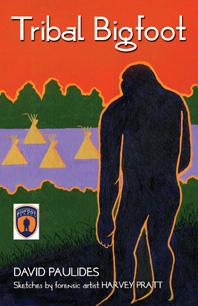
The person that I wrote to (I don't know their name because I wrote “To Whom It May Concern” and I can't read their signature) says that his favorite book based on Bigfoot is a book called
Tribal Bigfoot
.
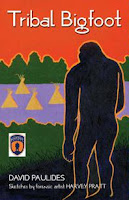
[Ed. Note: It must have been David Paulides, author of said book, the only known member of NABS besides Harvey Pratt. Also, Dave has been involved in youth hockey coaching before.]
No movie was recommended to me when I asked what his favorite movie about Bigfoot was. He said that his dream job was not to be a Bigfooter, but instead an ice hockey coach. He also related to being made fun of at school because of Bigfoot. He says that most people that don't know about it are quick to make foolish statements about it. He hasn't always wanted to be a Bigfooter and he hasn't actually seen a Sasquatch. No one person inspired him to research Bigfoot; instead he did it out of fascination. He is intrigued by the forest and says that he would be bummed out if all was already discovered. He also left a note for me: “Andrei--Knowledge is power! Read as much as you can on a topic of interest. To become a master at anything, do a few things 10,000 times not 10,000 things a few times. I believe I know more about this topic then many because I've focused and read everything in print. Good luck!” (letter no date).
I am very happy that I received a response even though it wasn't very professional or descriptive; that is the reason why it only takes up less than half the page. Never the less, a short response is better than none at all. I am interested in where he is from because he says that he wanted to be an ice hockey coach and since hockey is big in Canada, he might be from there. I am glad that he wrote a note to me and I agree with everything that he said.
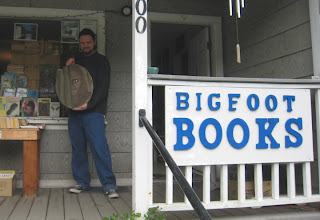 BUSINESS LETTER RESPONSE #2: Steven Streufert
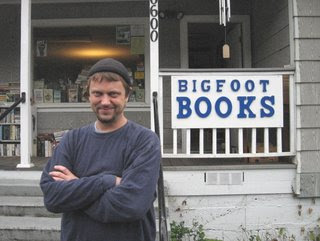
I wrote to Steven Streufert and I received a very thorough response. When asked if any one person inspired him, Steven said that many people had an impact on his passion, but what first intrigued him as a kid was the Patterson-Gimlin footage. Old school researchers like Rene Dahinden and Bob Gimilin get mentioned, but for current researchers, Steven was inspired by Daniel Perez, a writer for the
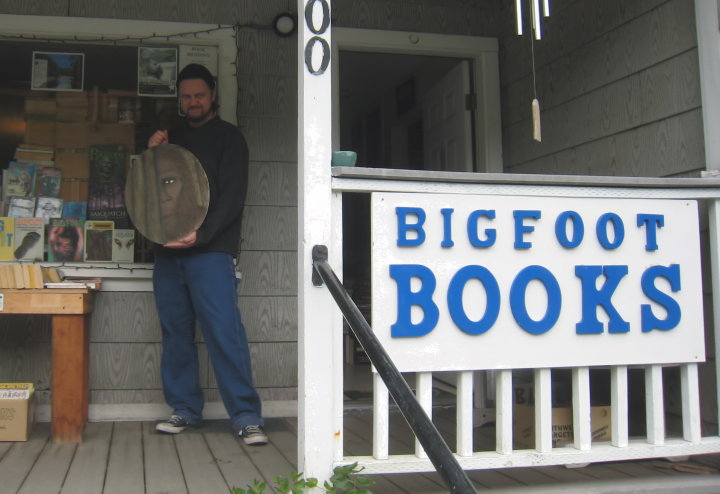
BIGFOOT TIMES. Others like Matt Moneymaker, James Bobo Fay, and Cliff Barackman also interest Streufert. He said that he had in fact bought Bigfoot memorabilia other than books when I asked him that question He said that he'd buy anything Bigfoot related ranging from posters and stickers to Bigfoot casts and little statues. Other things he's bought are mugs, patches, and buttons. But his real passion is collecting Bigfoot Books, hence the name of his store being
Bigfoot Books which is located in Willow Creek, California. When asked if there are any types of requirements or training for a job related to Bigfoot, Steven said something that makes sense, but never occurred to me.
“I have to tell you that there really isn't any 'job' that officially involves Bigfoot hunting. In fact, most of the bigfooters seem to spend all of their own time and money financing this hobby and obsession. It sometimes comes to dominate people's lives over everything else, as it did with Rene Dahinden, and often results in divorce and poverty” (letter March 15, 2010).
He also mentioned that if your belief of Bigfoot is shown too much, it can hurt your employability. He says the best job there is to search for Bigfoot is any job that involves yourself being in nature, specifically the forests. Another possibility, he says, is to study in an academic field that somehow relates to Sasquatch. I told Mr. Streufert that kids make fun of me because of my research subject, and I asked if that had ever happened to him. I got a really good answer which I will use to open my presentation with.
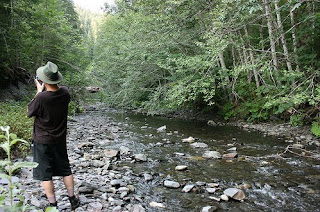
He also says that there isn't anything strange about researching Bigfoot. All it is the study and research of an animal that hasn't been proven to exist, yet. People who aren't really into the subject think its funny only because of the way modern day T.V. and magazine portray Bigfoot. When asked if he had been on any documentary shows involving Sasquatch, he said that he hadn't, but had been on a radio broadcast. But he did say that he knew many of the people that were on such shows like
MonsterQuest. He says that once you get into the Bigfoot world, you get to know a lot of people that share your passion. He responded that the women generally don't like the fact that he's a Bigfoot researcher, when asked if his job had ever backfired on him. His friends think it is kind of weird, but not as weird as they think he is. He is fine with that because he says that he likes weird and strange things.
.
Steven didn't really give a definite answer when asked about his favorite Bigfoot movie but said that he generally preferred the docudramas. He says he watches all the Bigfoot movies, even the horror ones and kiddy ones.
I am really pleased with the response and as I mentioned, I will include that one quote at the beginning of my oral presentation. He also asked me to send him a copy of the final product which I will gladly do.
 INTERVIEW #1: Jay Cosic
For this interview, I interviewed Jay Cosic, a good friend of my father that climbed Mt. Everest. He is self-employed and decided to go to Mt. Everest because of the adventure and his friends also went with him. When he was there, he climbed 19,000 feet and started his climb at Lukla. They would set up camp at different locations as they hiked up. After Lukla, it was Phading, then Namcha Bazar, followed by Pengboche, then Dingboche, after that was Gorak Shep, and finally Cala Patar. Cala Patar is located on a peak at 19,000 feet, and he said that it was their base camp. When asked what he had experienced concerning the Yeti, he said that there were two monasteries. The first one was located in Khung Jung Valley. It had many artifacts including what is believed to be a Yeti's head. Unfortunately, he said that Edmund Hillary had brought the head to London to do research on it, but it turned out to be a mountain goat's head. The second monastery is located in Pengboche. They also have a supposed Yeti's head, but they don't want any exposure of it because they don't want it to be proved wrong.
Jay has never been interested in the Yeti prior to his trip and thinks that there is a 50/50 chance that the Yeti exists. I asked if he had ever had the feeling that there was a Yeti around him while he was hiking, and he said yes. He didn't see a Yeti on his trip, but if he had, he said he'd try to take a picture if he had a camera on him. He said that the natives told him many stories in English. One time a villager was roaming the mountains with her cattle, when she was attacked by a Yeti. Her cattle died, but she didn't. There was one tale where every night Yetis overlooked the village and when the villagers went to sleep, the Yetis would ravage the village. The next night, the villagers left out beer and knives and when the Yetis came, they got drunk and killed each other. No Yeti survived from that, but a one Yeti didn't go down to the village that night; it was a pregnant Yeti. So that is the villagers' explanation for the abundance of Yetis. I asked him if he got to see the head in the second monastery, but he didn't (Personal Interview 4/17/10).
 INTERVIEW #2: Dan Perez
For this interview, I asked Daniel Perez, a Bigfoot researcher that writes a Bigfoot newsletter called the
BIGFOOT TIMES, a couple of questions. He said that there wasn't an exact time in his life when he knew that he would research Bigfoot and that it came gradually. But he said that he really got into it in his early 20s. He said that researching Bigfoot wasn't his ideal job and that he had wanted to do something involved with biological sciences. When asked if he had ever been interested in any other cryptozoological creature with the same intensity that he'd been interested in Bigfoot, he said that he had been interested in the Loch Ness monster early on, but his fascination for Sasquatch just was greater. He said that he has been made fun of, but that thick skin is needed in order to pursue Bigfoot. He has never doubted the existence of Bigfoot because he says that it was more readily apparent, as opposed to a unicorn. Rene Dahinden and John Green were his main inspirations. When asked what his favorite Bigfoot movie was he said
The Legend of Boggy Creek by far. He also said that
Meet the Sasquatch
by Chris Murphy was his favorite Sasquatch book. He hasn't ever seen a Bigfoot, but has bought plenty memorabilia including Bigfoot soap.

He also does
BIGFOOT TIMES as a break even job. He also said that
BIGFOOT TIMES was started in 1998 because he disapproved of others' newsletters. He doesn't despise anybody in the Bigfoot community, but he isn't fond of frauds and fakers (Personal Interview 4/21/10).
 MAGAZINE ARTICLE #1: “Scientists to Test 'Yeti Hairs'"
Strands of hair of a supposed Yeti have been found in Meghalaya, India. These strands will be tested by scientists at Oxford Brookes University. “They will see if the strands match a known animal. To date there has been no conclusive proof yetis exist. The hair was found and handed to BBC reporter Alastair Lawson during an expedition to try and find the animal after a number of reported sightings” (BBC 7/24/08). You wouldn't expect to find a Yeti in a region like India that is very hot and “jungly.” The natives of Meghalaya say that they've seen fossilized Bigfoot prints which suggests a prehistoric Yeti. Even a local said that he had once collected a Yeti's hair after seeing it. Because of the bureaucracy in India, the location of the tests will occur in England. Microscopic tests will be performed in Oxford, while DNA testing will happen in Bristol. “The little known Indian version of the legendary ape-like creature is called mande barung - or forest man - and is reputed to live in the remote West Garo hills of the north-eastern state of Meghalaya. Lawson was invited to the region to hear evidence of the existence of a black and grey ape-like animal, which stands about 3m (nearly 10ft) tall” (BBC 7/24/08). Lawson would be really bummed if the tests show that the strand of hair came from goat or an animal similar to it.
Wow. I never imagined there being any type of Yeti creature located anywhere near India because it's climate is so much different than that of the traditional Bigfoot and Yeti. There is the Skunk Ape of Florida, but even Florida's climate isn't as hot as India's.
 NEWSPAPER ARTICLE #1: “Two Georgians Say They Have Bigfoot’s Body”
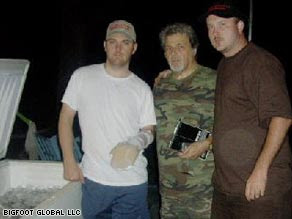
In August of 2008, two Bigfoot hunters said that they had legitimate evidence that Bigfoot exists: they say they have photos of a dead specimen and DNA evidence that they found in Georgia. They were to present it in Palo Alto, California. The Bigfoot hunters, Matthew Whitton and Rick Dyer, were really scared when they first saw the creature. Dyer, who also runs a business Bigfoot Tours, said that there was more than one Sasquatch. They said that they had seen three more beasts as they were dragging the dead Bigfoot through the woods. “Moreover, Mr. Dyer says he has video clips and photographs to prove it. One photograph provided to the news media showed what resembled a gorilla — or maybe an old sheepskin rug — lying twisted in a freezer, with a dollop of intestines protruding from its belly” (McKinley A12). Tom Biscardi is a Bigfoot booster and also has a Bigfoot website, sells Bigfoot merchandise, and runs a radio station on Bigfoot says that he believes it is real. In fact, he says that it is 150 percent sure that it is real. “Both Mr. Biscardi and Mr. Dyer said they expected skeptics to discount the find, which is being kept in a freezer in an undisclosed location outside Atlanta. But they promised even more proof, including video, a DNA test and, of course, a mission to capture one of the big guys. 'I'm not asking anyone to believe us,' Mr. Dyer said. 'I'm just asking them to sit and watch, because you're going to eat your words” (qtd. in McKinley A12)(A12).
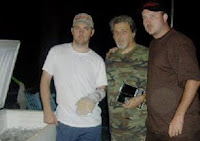
From the picture posted in the article, I can tell that it is a fake, and it turns out that it was a hoax. I try to believe every sighting but they really did a bad job of making it look like Bigfoot. People like this just discourage others in believing in Bigfoot. If there are always hoaxes, people will think that Bigfoot isn‟t real.
 NEWSPAPER ARTICLE #2: “Bigfoot on Display! Museums, Collections Salute Sasquatch”
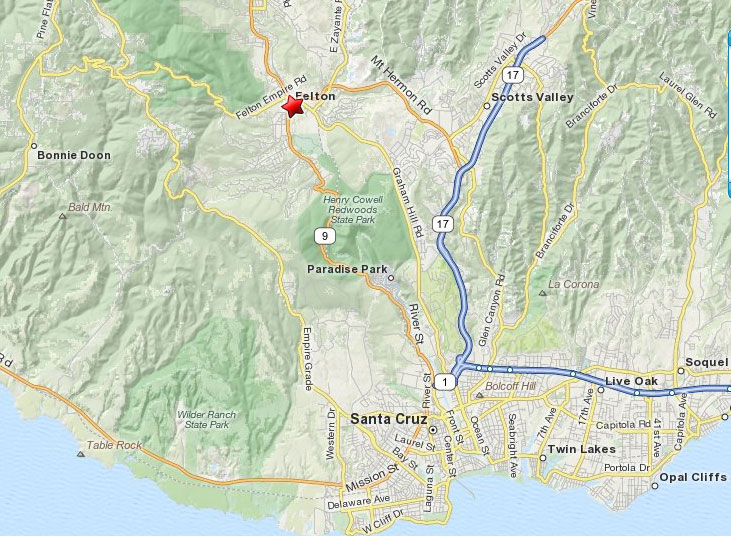
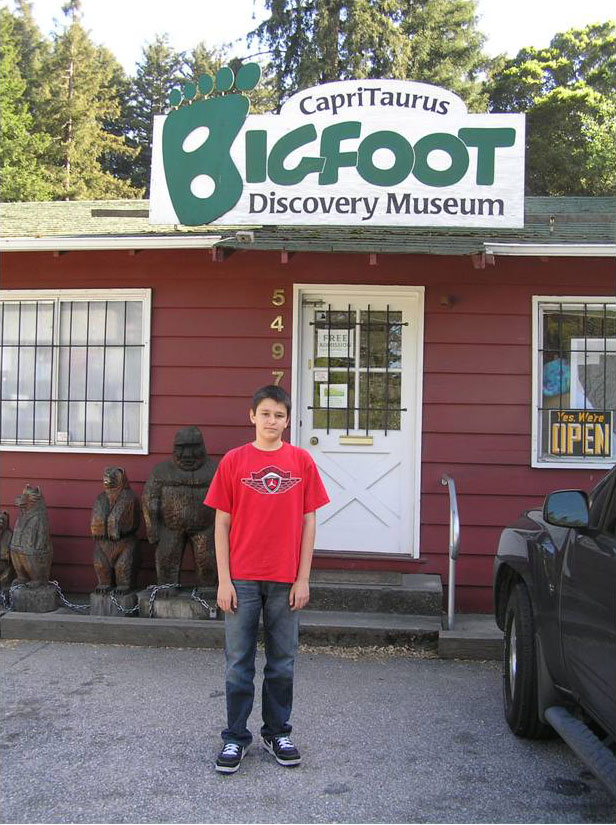
The Biscardi case of 2008 had been proven a hoax; all it was a gorilla suit filled with animal guts. But Bigfoot believers shouldn't get their hopes down because there are many museums that share their passion. One of those museums is located in Felton, California and called the
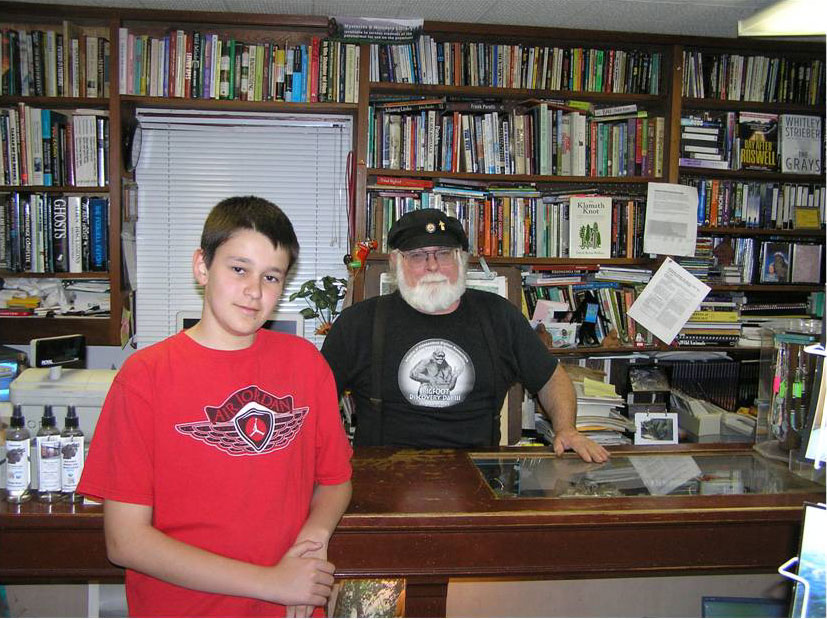
Bigfoot Discovery Museum. This museum has many casts of Bigfoot prints, books, and two life size models. It also has many memorabilia such as Bigfoot comics, stuffed animals, and toys.
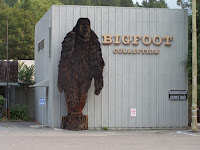
The
Willow Creek-China Flat Museum is located in Willow Creek, California. “A specially built house holds this collection of Bigfoot print casts, photographs, maps, newspaper clips and other documents. A 25-foot-tall Bigfoot statue guards the entrance to the museum, and there's a research center adjacent to the museum. While heading to this site, take in the stunning scenery along California 299, also called the Bigfoot Scenic Byway” (Martin LA Times).
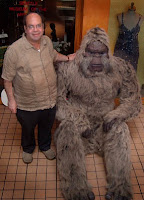
Now we head up north in Seattle, where
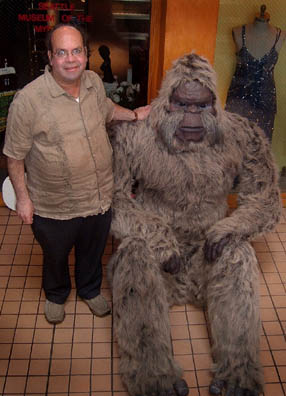
The Seattle Museum of the Mysteries is located. This museum is deemed as the only paranormal scientific museum in Seattle. This museum has photos of Sasquatch, casts of prints, and has a map of Bigfoot sightings. This museum also has exhibits of other paranormal topics such as UFOs and ghosts. “The museum also boasts an oxygen bar, in case you get lightheaded from all the displays” (Martin LA Times).
The final Bigfoot museum listed is the
International Cryptozoology Museum, which was founded by one of the world's leading cryptozoologists Loren Coleman. Over the years, Loren has wrote over 30 cryptozoological books. His museum is in his hometown of Portland, Maine has “plaster casts, hair samples and other evidence that he claims prove that the creature exists” (Martin LA Times). He holds tours at his museum.
I visited the museum in Felton for my observation, and let me tell you, it was very cool. I talked with the owner Mike Rugg and he told me many stories.
NEWSPAPER ARTICLE #3: “Policeman, Workers Track Roaming, 12-Foot Creature. It Got Away before They Could Tell if It Was Bear or Something Else.”
In August of 2000, a large creature deemed to be twelve foot tall was reported to Anne Arundel County Police in Baltimore, Maryland. “A Police Department spokesman confirmed a report of a 'strange sighting' in Hanover just after midnight yesterday near the Arundel Mills mall construction site. But witnesses said the 12-foot-tall, upright, black 'thing' ran past them so fast they weren't sure what it was. Construction workers who were napping in a van called police, who dispatched an off-duty officer working security at the mall site to investigate. The workers, who had fled to a nearby fast-food restaurant for safety, were reluctant to return to the construction site with the officer, said Sgt. Joseph Jordan. But the workers finally agreed to show the officer where they had seen the creature” (Barnhardt Baltimore Sun). After a search around the area of the sighting was conducted, a footprint that measured 15-20 inches was found. After contacting the state Department of Natural Resources, they found out that there had been recent sightings of bears near that area. Workers ran out of fear when they saw the animal again, but the police stayed put. The policeman said he saw two animal-like eyes in the dark. At around 3a.m. that night the police spotted an animal near a pond, although it wasn't certain that it was the same creature sighted before. They blew an air horn enough that if it was alive it'd get up, but it didn't budge at all. Police believed that it couldn't have been a person because it had fur.
Another time he and someone who had reported having Bigfoot behavior near his home had just finished an hour-long search around his home and they were heading for Mike's truck. They then heard a really loud yell that lasted for at least a minute. They were going in the direction of the yell and started to smell a really strong odor. They scanned the area with their camera to try to get a visual of it, but they didn't succeed. Or so they thought. After further analysis of the tape, they saw some movement, and let me tell you, it was pretty cool. They also recorded the yells of the Sasquatch. I learned that there are Bigfoot sightings only a couple of miles from Santa Cruz, which is pretty amazing considering that there is a city right next to them. You'd think that all the cars and city lights would make them go farther away from that location, but then again sightings will only occur if someone sees it. So it kind of does make sense that there are more sightings near the cities than away in the unexplored wilderness.
I found this poem online and I chose it because it was decent length and was related to my I-Search topic.
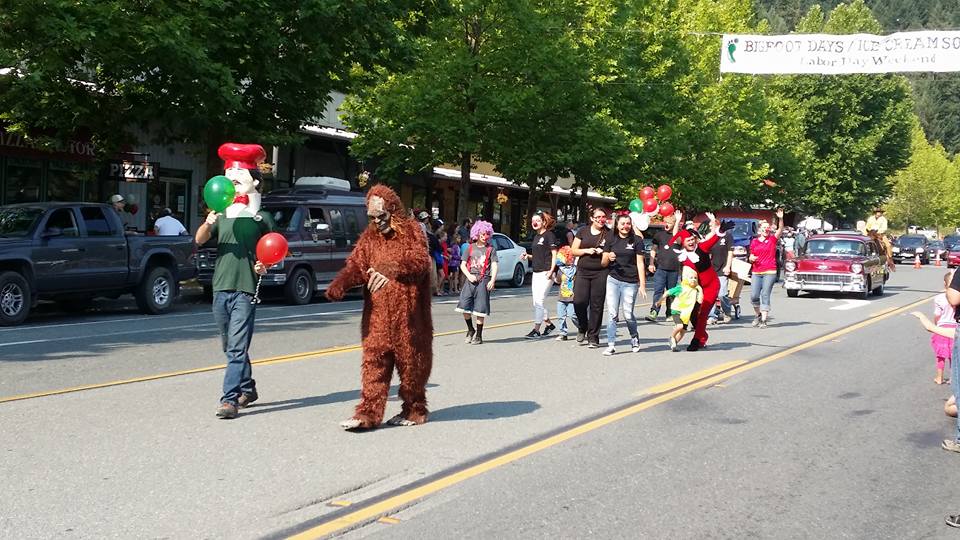 BIGFOOT'S BLOG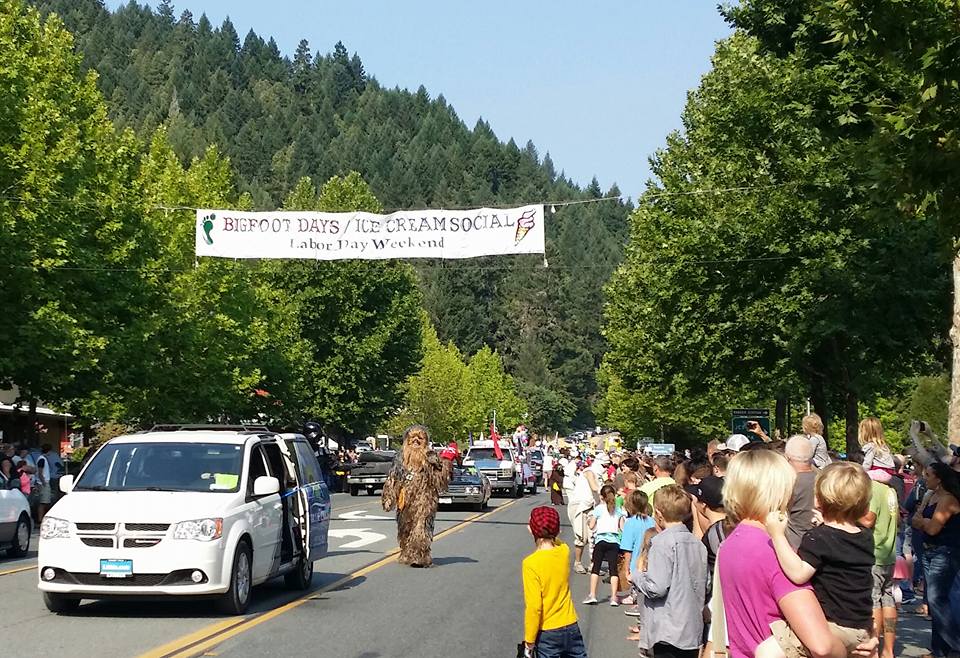
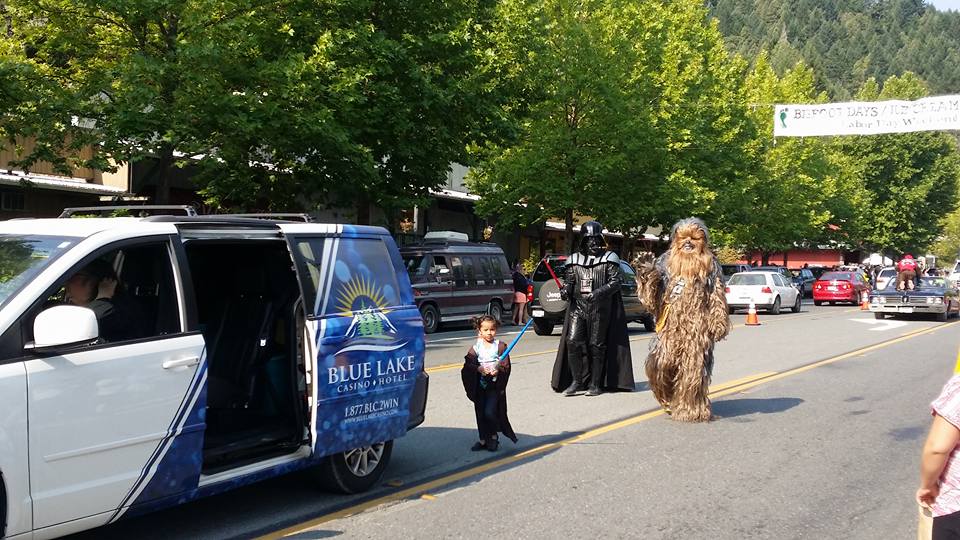
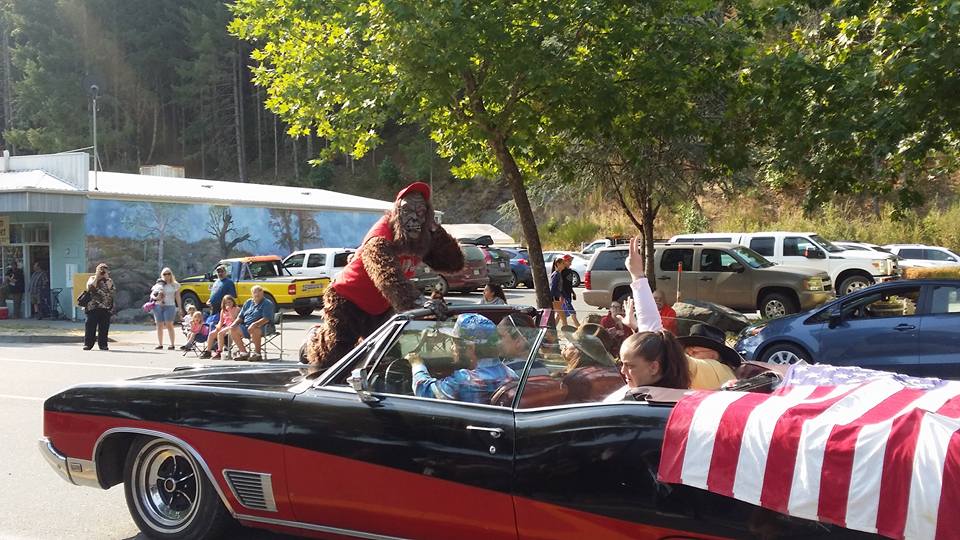
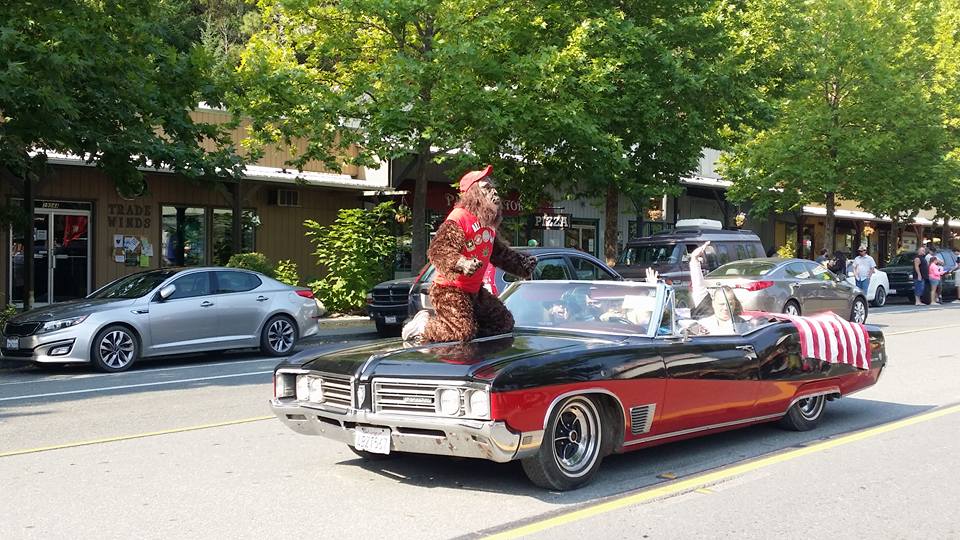
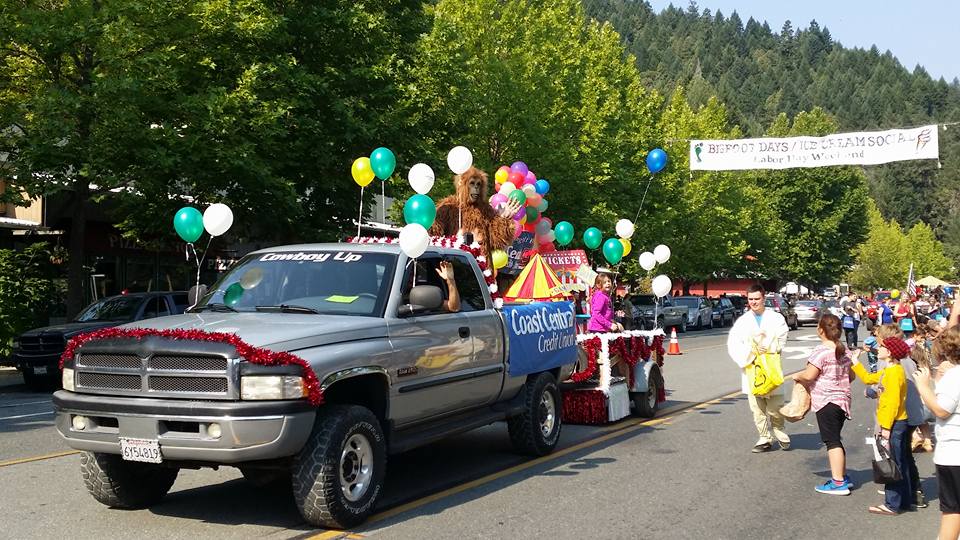
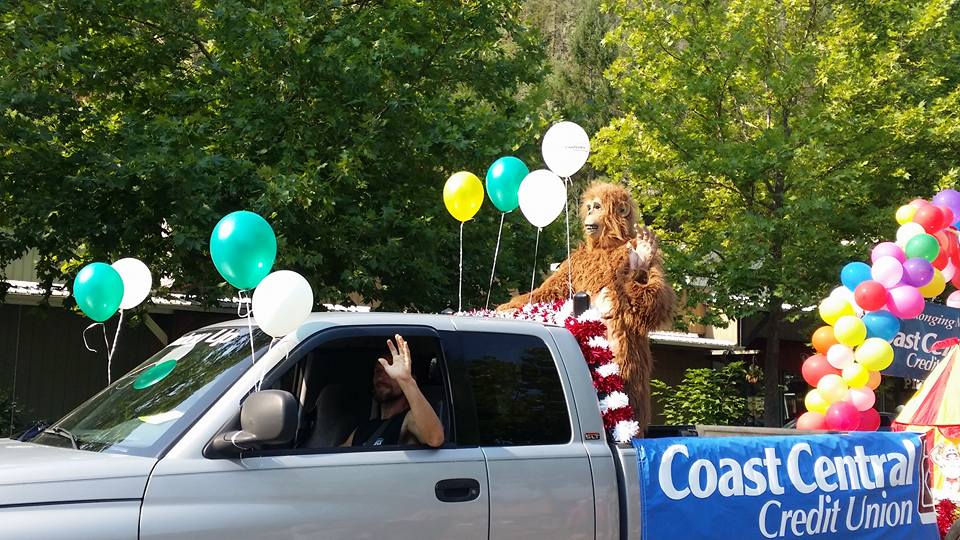
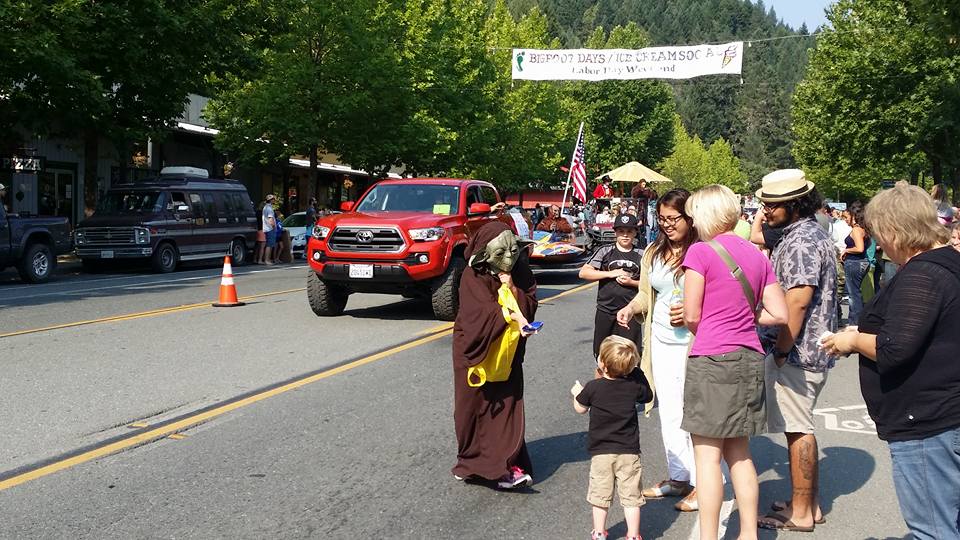
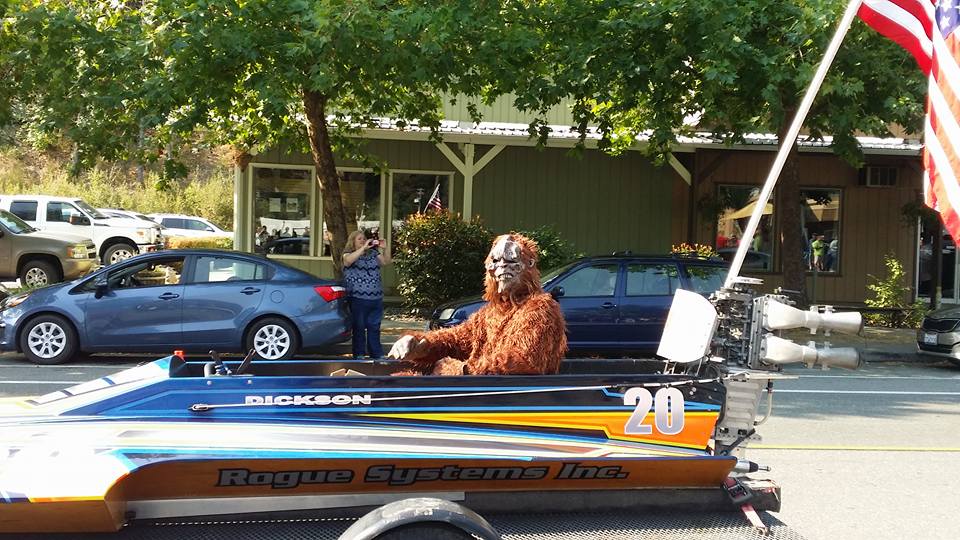
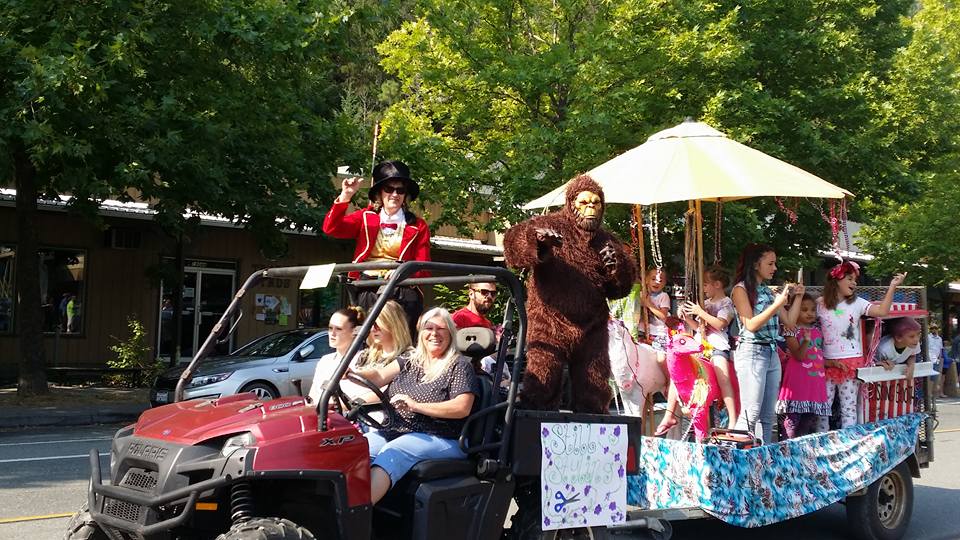
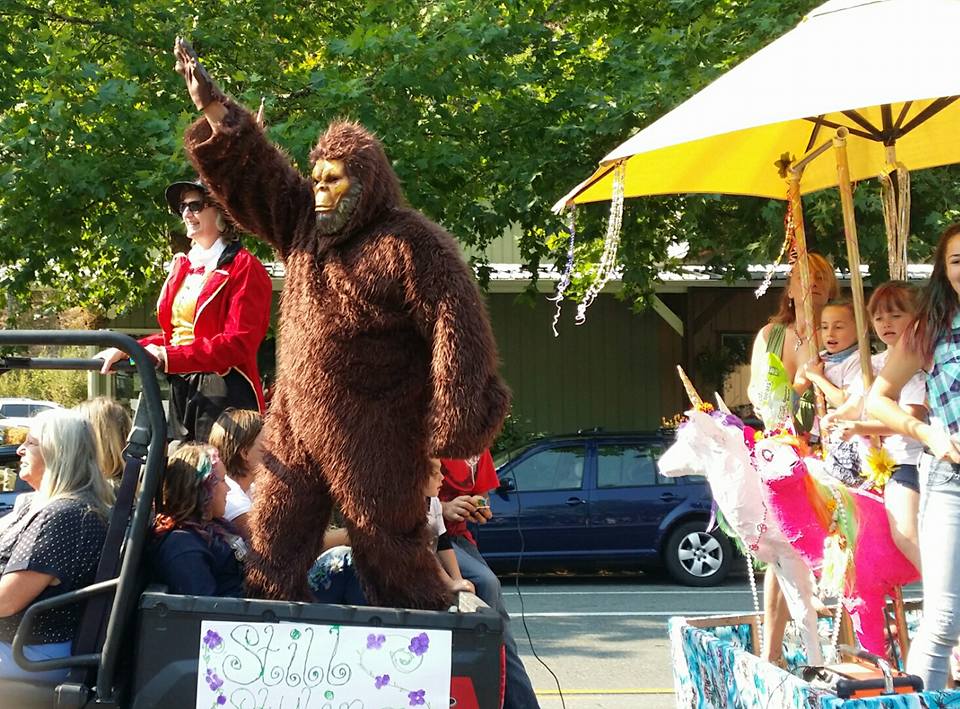
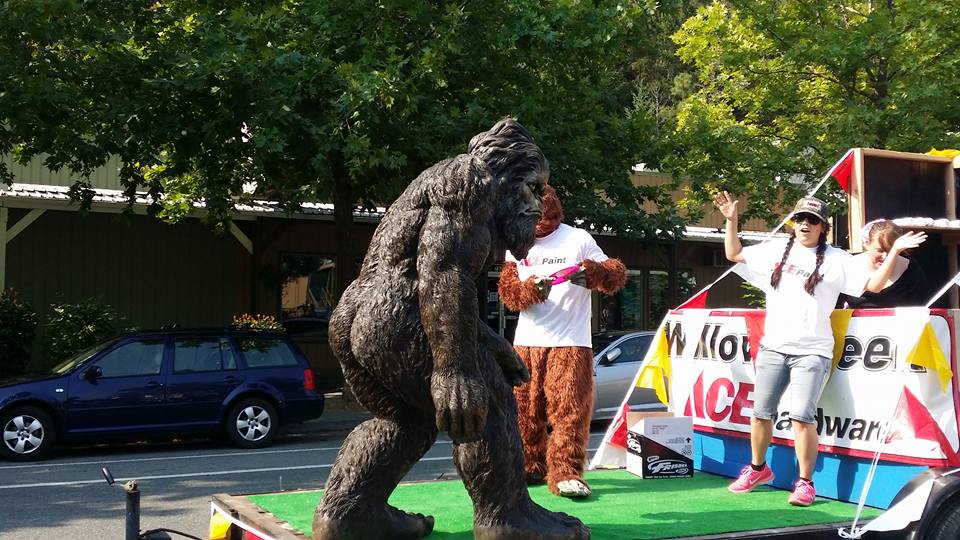
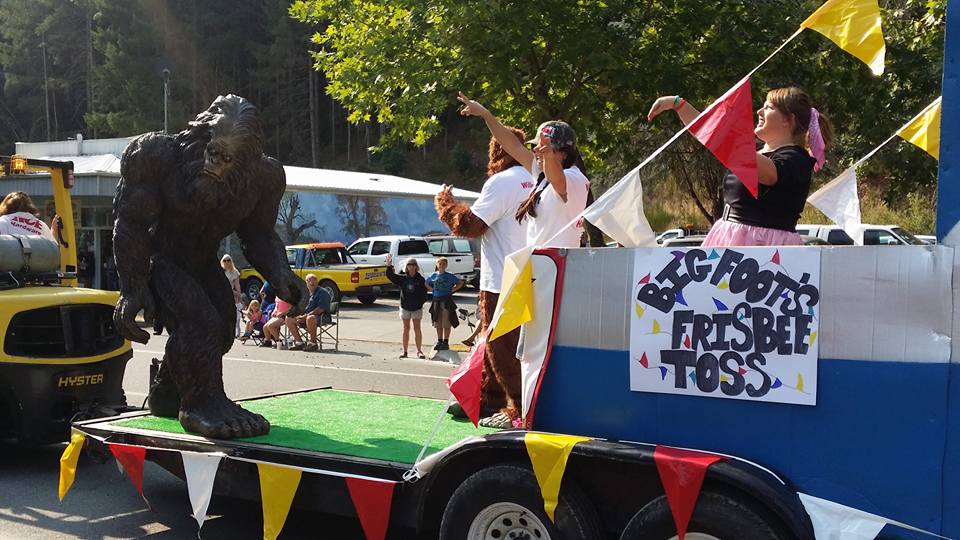
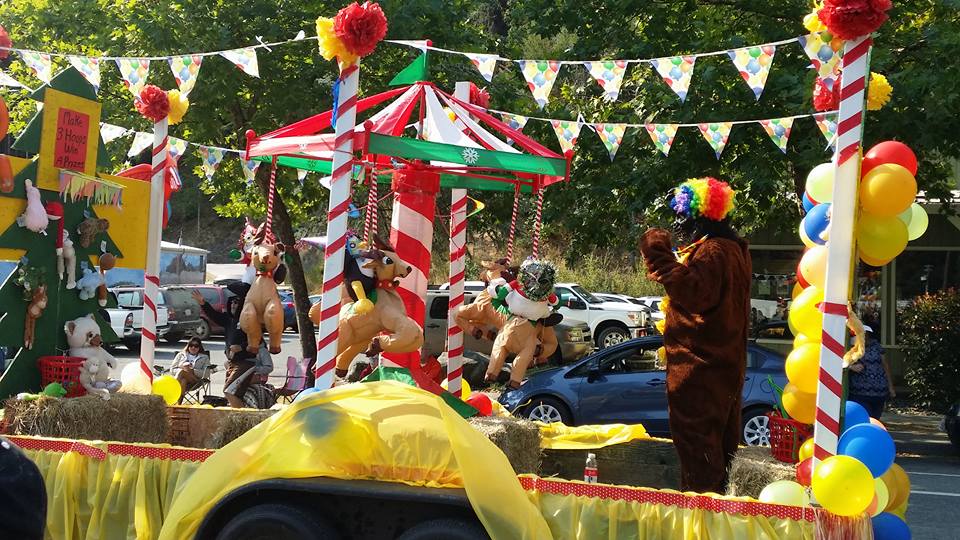
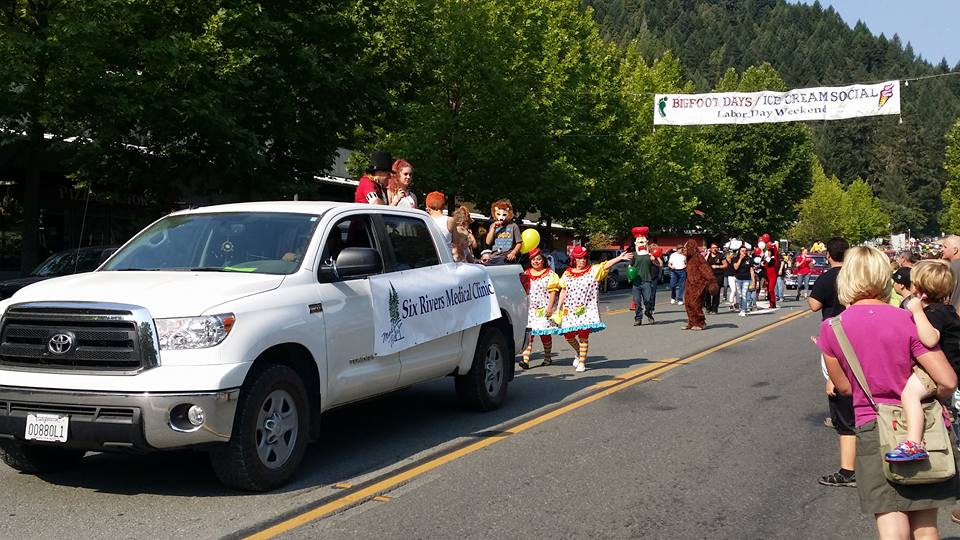
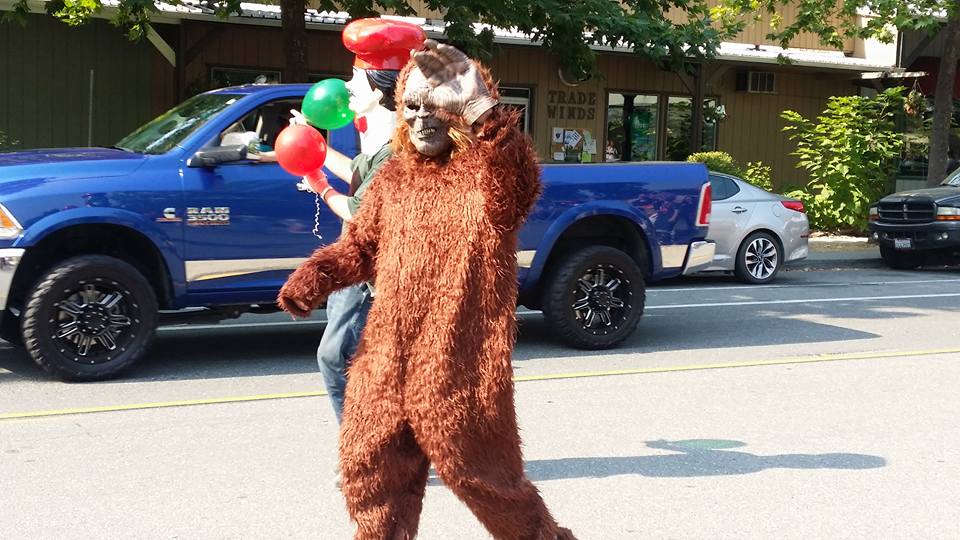
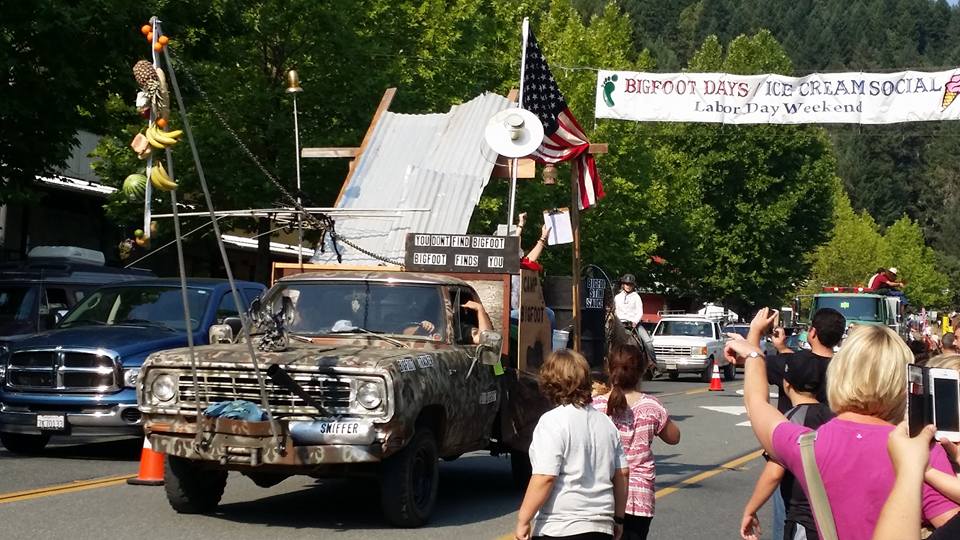



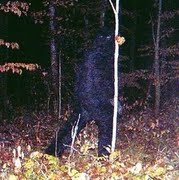
 ) for the note cards. I have pretty much just been reading my book. My mom actually sent me link to a website where they talked about a Bigfoot photograph snapped in Minnesota. It looked real to me and the story didn't have any flaws in it. Bigfoot hasn't been in the media lately besides this story.

 for my creative source. It wasn't the best movie I've ever seen, that's for sure, and it was a bit childish, but I couldn‟t find anything else on Now Streaming on Netflix. Ive also been worried about my interviews, observations, and the oral presentation.

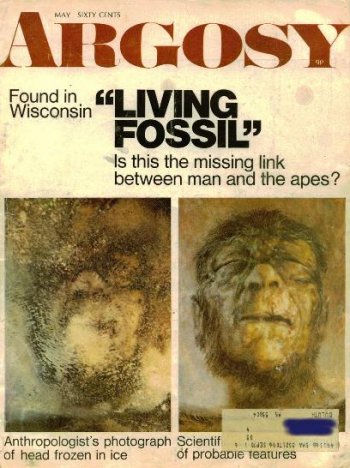
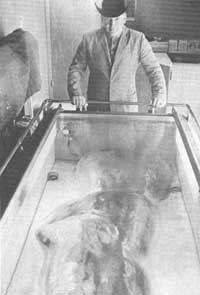
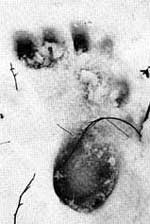
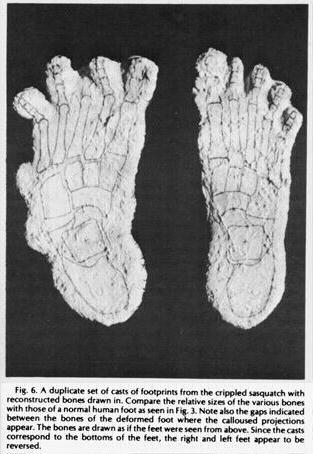
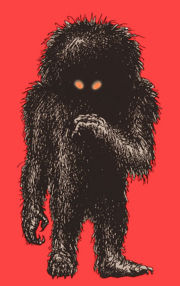
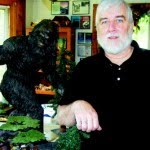
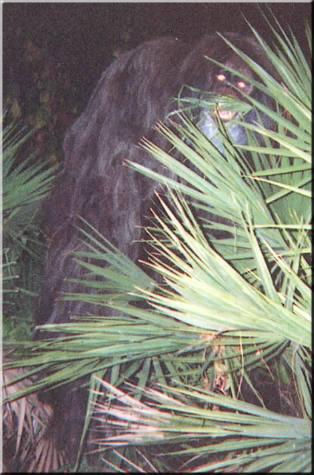
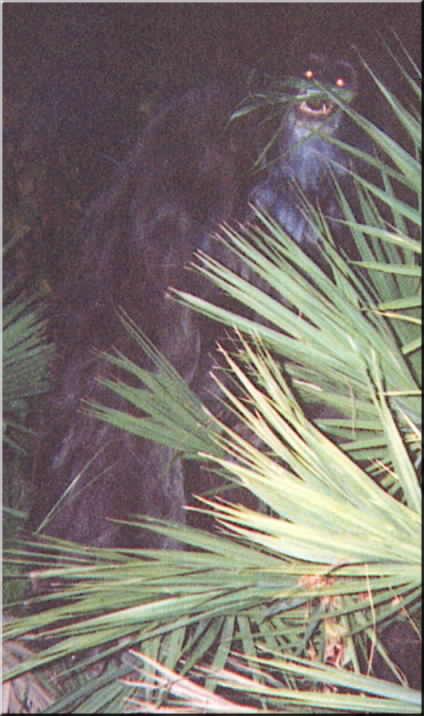
.jpg)

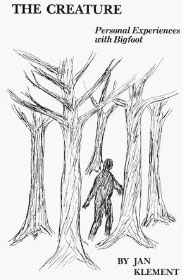
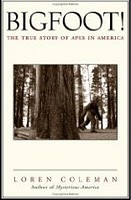
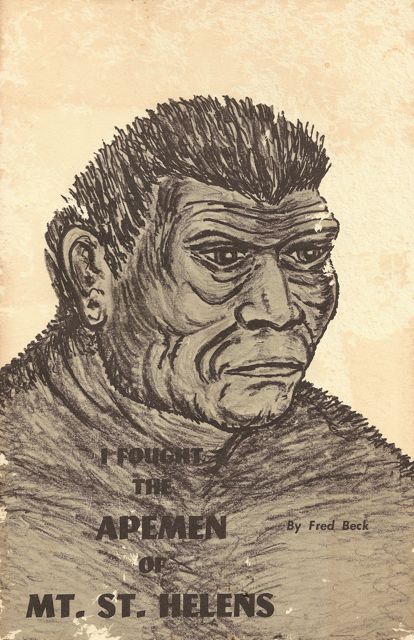
 Jan Klement was a small-town earth-science professor. His book is about a series of encounters he had with a Sasquatch. It started with some simple sightings he had. He then started to lure the creature with apples. For four months this creature tolerated Klement observing it. Jan called this beast Kong, which neither looked like a human nor an ape. “It stood seven feet tall and was covered in short brown hair with slightly longer hair on the head, under the arms and in the pubic area. Its large eyes, and expressive mouth set in a face that was not primitive or too animal-like, but the short hair that grew from the eyes down gave the appearance of a mask” (187).
 .]
.] , 1975.